
How Do You Make a Severe Weather Safety Plan?
Set up more than one way to get warnings, such as a NOAA Weather Radio and phone alerts. Pick a shelter for each hazard: an interior room on the lowest floor for tornadoes, higher ground for floods, and your evacuation route for hurricanes. Build a 72-hour kit, then practice the plan with everyone.
The time to pick your tornado spot is not while the phone is screaming. I am a mom, so I say this with love and a little exhaustion: make the plan now, while everyone is calm and fed. This lesson walks you through it one step at a time. It is less work than you think.
Key Takeaways
- Layer your warnings: NOAA Weather Radio with SAME, phone alerts, apps, TV and radio.
- Run from water, hide from wind.
- For tornadoes, go to the lowest floor, in an interior room without windows. Mobile homes offer little protection.
- Never drive through flooded roads. Turn around, don't drown.
- Keep a kit for at least 72 hours and practice the plan with your household.
The time to decide where to go in a tornado is not when the sirens are sounding. People who survive dangerous weather usually share three things: they received the warning, they understood it, and they already knew what to do. A weather safety plan makes those three steps automatic for you and your household.
What Is the Best Way to Get Weather Warnings?
No single alert method is perfect. Phones die, power fails, sirens cannot be heard indoors, and TV is useless if you are asleep. Build layers:
- **NOAA Weather Radio: a nationwide network of more than 1,000 transmitters broadcasting continuous weather information directly from NWS offices. Radios with SAME** (Specific Area Message Encoding) can be programmed for your county, so they sound an alarm only for alerts that affect you. A battery backup keeps them working when the power fails. It is the single best tool for waking you at night.
- Wireless Emergency Alerts on your phone. Check that emergency alerts are enabled in your phone's settings.
- A weather app or software that shows official NWS warnings and can alert you.
- Local TV and radio during active weather.
- Outdoor sirens, which are meant to warn people outdoors; do not count on hearing them inside.
Where Is the Safest Place to Go During a Tornado?
Different hazards call for different actions. A good rule: run from water, hide from wind.
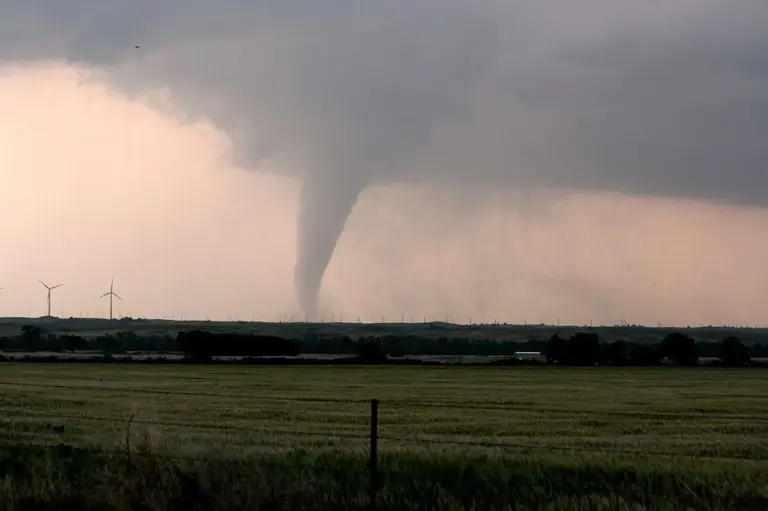
Tornadoes
- Go to the lowest floor, in an interior room without windows, such as a basement, closet, bathroom or hallway. Put as many walls as possible between you and the outside.
- Protect your head and neck. Helmets (bike, sports) and sturdy shoes help prevent injuries.
- A tested Safe Room built to FEMA standards or an underground storm shelter offers near-absolute protection.
- Mobile homes offer little protection, even if tied down. Plan to go to a sturdy building or shelter well before storms arrive.
- In a vehicle, the best option is to drive to a sturdy building if time allows. Do not hide under highway overpasses.
Severe Thunderstorms And Lightning
- Go indoors to a substantial building or a hard-topped vehicle when thunder is heard. "When thunder roars, go indoors."
- Stay away from windows during high winds and hail.
- Wait 30 minutes after the last thunder before going back outside.
Flash Floods
- A Flash Flood is the top weather-related killer in many years. Most flood deaths happen in vehicles.
- Never drive through flooded roads. Just 12 inches of moving water can float many cars; 6 inches can knock an adult off their feet. Turn around, don't drown.
- Know whether your home or campsite is in a flood-prone area, and move to higher ground when warned.
Hurricanes
- Know your evacuation zone. Evacuation decisions are driven mainly by Storm Surge, which causes the most deaths in hurricanes.
- Plan where you would go, whether to a friend's home inland or a shelter, and how you would get there.
- Inland, heavy rain flooding is a major threat far from the coast.
Winter Storms And Extreme Heat
- In winter, keep supplies at home and in your car; avoid travel during blizzards. Never run generators indoors or in garages because of carbon monoxide.
- In heat waves, stay hydrated, use air conditioning or cooling centers, and never leave children or pets in parked vehicles.
What Should Be in an Emergency Kit?
Keep a kit ready for at least 72 hours, ideally longer:
- Water: one gallon per person per day.
- Nonperishable food and a manual can opener.
- Flashlights and extra batteries (avoid candles).
- Battery-powered or hand-crank NOAA Weather Radio.
- First aid kit and at least a week of prescription medications.
- Phone chargers and a backup battery pack.
- Copies of important documents in a waterproof container.
- Sturdy shoes, helmets, whistles, and supplies for pets and infants.
Step 4: Practice And Communicate
- Walk through your plan with everyone in your household, including where to meet if separated.
- Practice tornado drills a couple of times per year.
- Set up an out-of-area contact to relay messages if local phone lines are overloaded.
- Know the plans at work, school, and places you visit often.
How Do You Become a SKYWARN Storm Spotter?
The NWS offers free SKYWARN storm spotter training, typically held in spring. Classes teach the basics of thunderstorm structure, how to identify dangerous features, and how to report what you see safely. Even if you never become an active spotter, the training makes you a more weather-aware member of your community. The next lesson covers storm spotting in detail.
Real-World Example: Plans for Different Places
The same family needs different plans for different hazards. Here on the Space Coast, hurricane season means knowing your evacuation zone, because storm surge drives evacuation orders, and lightning season means heading indoors when thunder roars. In Tornado Alley, the plan centers on a basement, an interior room, or a tested safe room, plus a way to wake up for a warning at night. Anywhere, flash floods mean never driving into water over the road. Write down the plan for each hazard you actually face.
Common Mistakes
- Myth: Hiding under a highway overpass is safe in a tornado. Fact: Overpasses are not shelters. If time allows, drive to a sturdy building.
- Myth: A tied-down mobile home is safe enough. Fact: Mobile homes offer little protection even when tied down. Plan to reach a sturdy building or shelter well before storms arrive.
- Myth: My truck can handle a flooded road. Fact: About 12 inches of moving water can float many cars, and most flood deaths happen in vehicles. Turn around, don't drown.
- Myth: Outdoor sirens will wake me up. Fact: Sirens are meant for people outdoors. A NOAA Weather Radio with battery backup is the best tool for waking you at night.
Go Deeper: How SAME Weather Radio Alerts Work
NOAA Weather Radio broadcasts on seven VHF frequencies near 162 MHz. Each alert begins with a digital header using Specific Area Message Encoding (SAME). The header carries an event code, such as TOR for a Tornado Warning, plus location codes for the affected counties and an expiration time. A SAME radio programmed with your county code compares each header to its stored list and sounds the alarm only when it matches.
That is why the radio matters in a layered plan. It does not depend on cell towers, internet service or an app, and with batteries it keeps working when the power fails. Pair it with Wireless Emergency Alerts on your phone, which are broadcast to every compatible phone in the warned area, and you have two independent paths to the same NWS warning.
Check Yourself
No grades, no sign-in. Pick an answer and see how you did. The app keeps score for you and tracks your progress.
1 Why is a NOAA Weather Radio with SAME valuable?
Show The Answer
It can be programmed to alarm only for alerts in your county and works during power outages SAME coding targets alerts to your area, and battery backup keeps it working when the power fails.
2 Where is the best place to shelter from a tornado in a house without a basement?
Show The Answer
An interior room on the lowest floor, away from windows Putting as many walls as possible between you and the outside reduces the risk from flying debris.
3 What is the main reason for hurricane evacuations along the coast?
Show The Answer
Storm surge Storm surge is historically the deadliest hurricane hazard, and evacuation zones are based on it.
4 What should you do if you come to a flooded road?
Show The Answer
Turn around and find another route Even shallow moving water can sweep away vehicles; most flood deaths occur in cars.
Questions People Ask
Where should you go during a tornado if you don't have a basement?
Go to an interior room on the lowest floor, without windows, such as a closet, bathroom or hallway. Put as many walls as possible between you and the outside, and protect your head.
How long should you wait after thunder to go outside?
Wait 30 minutes after the last thunder before going back outside.
How much water do you need in an emergency kit?
Plan on one gallon per person per day, for at least 72 hours.
Why do hurricane evacuations happen?
Evacuation zones are based mainly on storm surge, which historically causes the most hurricane deaths. Know your zone and where you would go.
Is a NOAA Weather Radio worth it?
Yes. With SAME coding it alarms only for alerts in your county, and with battery backup it works when the power and internet are out.
Learn More From The Experts
- Make a Plan Ready.gov
- Build a Kit Ready.gov
- NOAA Weather Radio NOAA / NWS
- Turn Around Don't Drown NOAA / NWS
Make the plan on a sunny day. Future you, standing in the hallway closet with a bike helmet on, will be grateful. Jen — Jen
